How Modern Physical Therapy Innovations Help Patients

Physical therapy has come a long way from simple stretching routines and heat packs. While these treatments are still helpful, there are emerging innovations in physical therapy practice that improve injury prevention and patient treatment outcomes.
These modern physical therapy treatments are a tried-and-tested way to restore your strength, mobility, and confidence. Let’s explore a few modern physical therapy innovations that can help you recover more effectively.
The Evolution of Physical Therapy for Patient Care
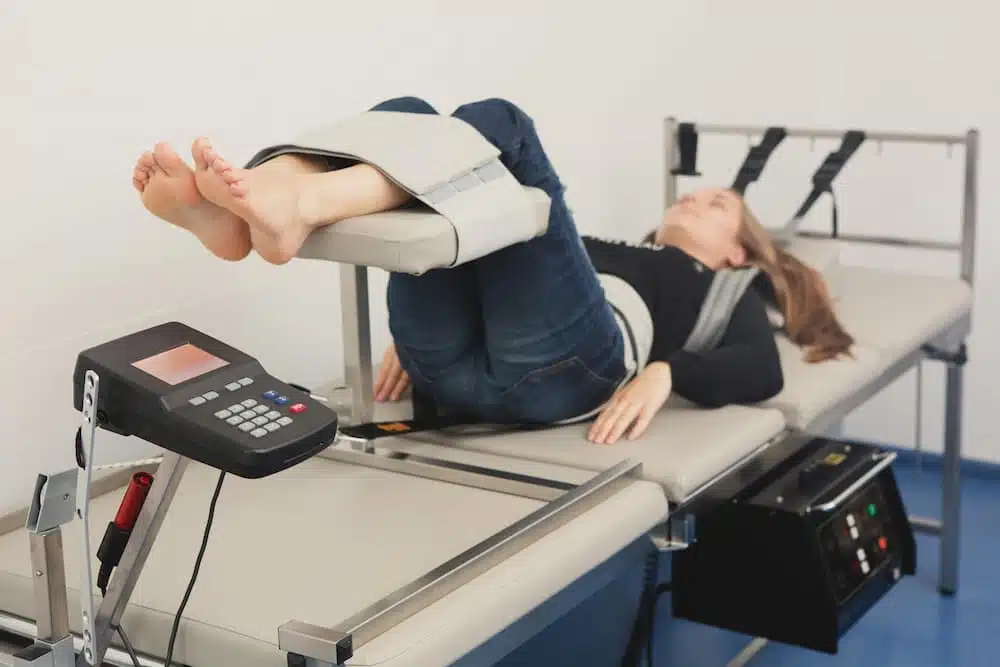
Historically, physical therapy relied heavily on passive treatments. Patients receive hands-on techniques and simple modalities, which involve techniques like:
- Massage and soft-tissue therapy
- Red light therapy
- Electrical nerve stimulation
- Hot and cold packs
- Spinal decompression
These methods are effective at reducing pain, easing blood flow restrictions, and more. Still, patients are mainly in a receptive role.
It’s not to say that these techniques don’t help. However, combining them with a more active rehabilitation approach, such as stretches, exercises, and functional training on the patient’s part, considerably helps improve outcomes by building resilience and long-term independence among patients.
Even better, the integration of constantly evolving physical therapy technologies has helped therapists provide more efficient and effective treatments.
Take wearable technology, for example. It allows healthcare providers to track patient progress, from vitals to muscle activity, to enhance diagnostic precision. These insights enable physical therapists to develop more personalized treatment plans to facilitate a more holistic recovery.
Modern Physical Therapy Innovations that Transform Recovery
Recent advancements in science and healthcare have enhanced how physical therapists assess and treat patients. Let’s take a closer look at some of these modern physical therapy innovations.
Ultrasound and Low-Level Laser Therapies
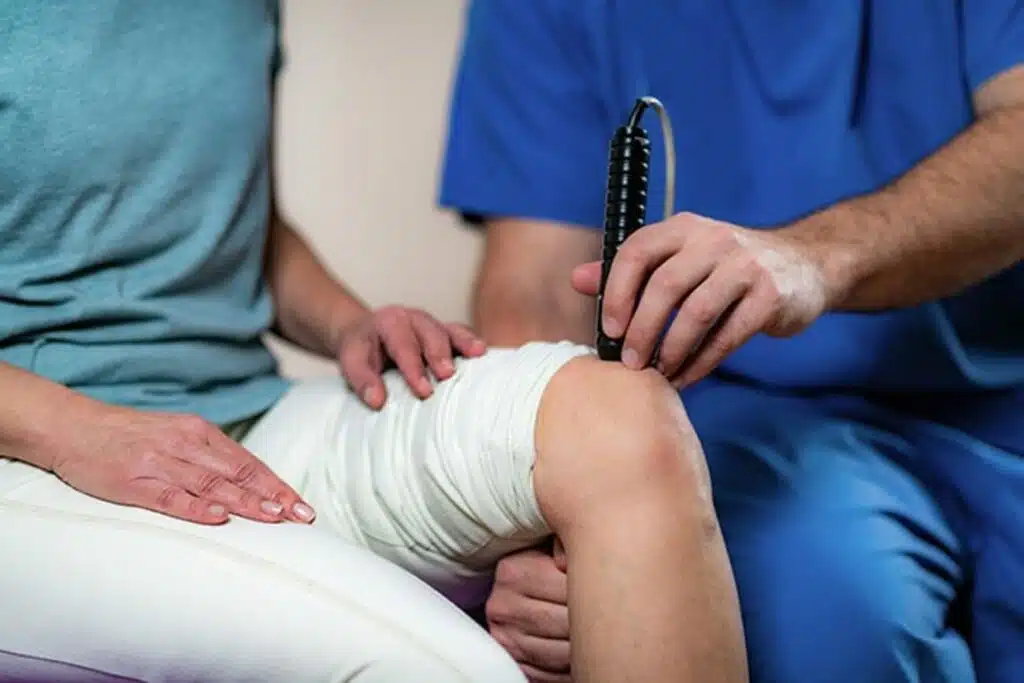
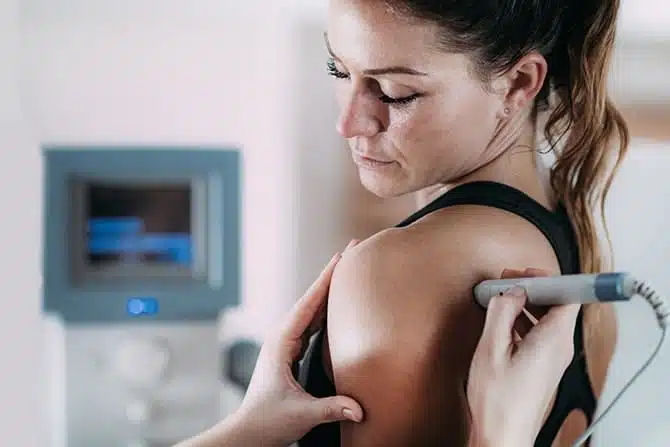
Ultrasound therapy utilizes sound waves to enhance blood flow and reduce inflammation at the site of injury. This makes it particularly useful for addressing soft tissue damage and scar tissue. Meanwhile, laser therapy leverages light energy to stimulate cellular regeneration.
Together, these techniques support pain management and enable faster recovery, especially when paired with active rehab.
Neuromuscular Re-Education

The communication pathways between the nervous system and muscles may become disrupted after injury or surgery, resulting in weakness, poor coordination, or loss of function. Neuromuscular re-education retrains these pathways through various techniques, including:
- Balance and coordination drills
- Movement pattern correction
- Functional exercises
As a result, patients are likely to heal from their chronic conditions while enjoying stable and pain-free movement as they return to their daily routines.
Computerized Movement Analysis
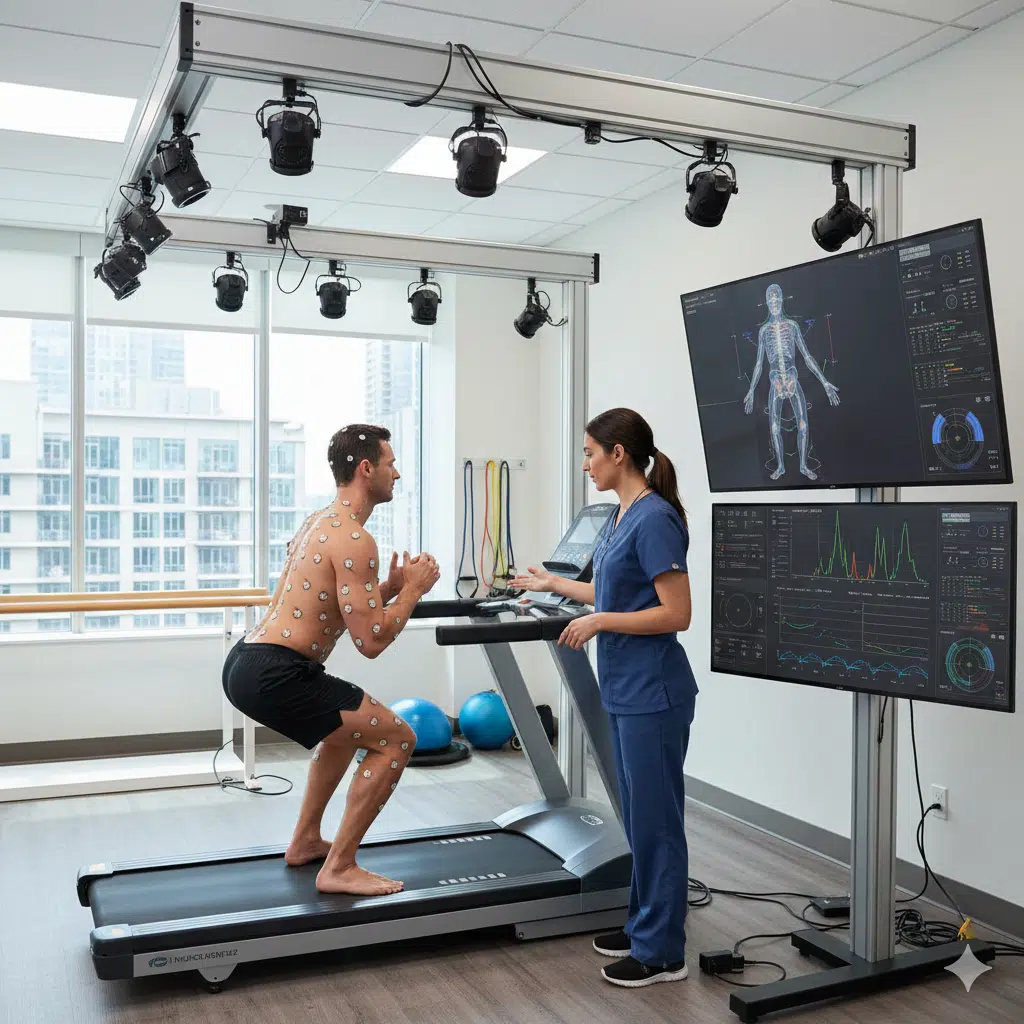
Using digital tools to capture and assess a person’s movement in real-time offers objective data that therapists can use to tailor treatment plans precisely to their patients’ needs.
For instance, wearable technology equipped with sensors tracks movement and muscle activation for insights into the condition of a patient’s soft tissues. Likewise, digital gait analysis provides a more detailed examination of a person’s posture and biomechanics than a visual assessment.
These technologies enable therapists to develop more targeted treatment plans that optimize recovery, thereby improving patient outcomes and allowing them to return to their lives more quickly.
Functional Strength and Stability Training

As mentioned, modern physical therapy emphasizes active, functional exercise designed to restore physical activity. It’s highly personalized to each patient’s goals, biology, and lifestyle, helping them return to their daily activities confidently, with a minimal risk of reinjury.
To give you an idea, some examples of functional strength and stability training include:
- Strengthening exercises
- Core stability work
- Balance exercises
- Flexibility and mobility routines
- Endurance development
The Benefits of Modern Physical Therapy Innovations
- Faster and More Precise Recovery: Movement analysis, targeted exercises, and other tools allow therapists to pinpoint problems quickly and manage them more effectively.
- Improved Flexibility and Posture: Active rehabilitation helps address imbalances, restrictions, and misalignments to promote a greater freedom of movement.
- Customized Treatment for Each Patient: Comprehensive, tech-assisted assessments enable therapists to tailor care to each patient’s unique condition, lifestyle, and goals.
- Better Prevention of Future Injuries: Correcting faulty movement patterns and strengthening weak muscles reduces the likelihood of reinjury in the long run.
- Enhanced Performance and Confidence: Modern approach to physical therapy improves strength and coordination to help patients move better in daily life or sports.
Why Houston Patients Trust Our Physical Therapy Programs
At Houston Spine & Rehabilitation Centers, we believe in a holistic, patient-centered approach to healing. That’s why our physical therapists in Houston, TX, have dedicated years to providing highly personalized spine, joint, and soft tissue treatment plans for our local patients.
Our team combines modern rehabilitation and your body’s natural healing processes to address chronic pain, post-surgery recovery, and other injuries. So, if you’re looking for trusted physical therapy in Houston, The Woodlands, and Sugar Land, we’ve got you covered.
Countless athletes, post-surgical patients, and people suffering from chronic pain trust Houston Spine & Rehabilitation Centers to guide them throughout their recovery journey, and you can, too.
FAQs
Modern physical therapy techniques encourage patient participation during recovery, unlike traditional modalities, which generally rely on more passive, resting recovery.
Absolutely! Therapists still tailor new therapies to patients’ unique characteristics, including their age and limitations, to foster an efficient yet safe road to recovery.
It depends on your specific condition, symptoms, and goals. That said, many patients begin to see results a few sessions into their physical therapy program.
In some cases, yes, particularly for many musculoskeletal injuries. For conditions that do require surgery, physical therapy can be an excellent first step to pain management and overall recovery.
Yes! Modern physical therapy involves active treatments that patients can perform on their own, including stretches and exercises, to help improve their resilience and independence.
Leverage the Future of Physical Therapy
Modern physical therapy innovations are revolutionizing patient recovery by delivering faster results, enhanced comfort, and longer-lasting relief. So, if you’re ready to experience the future of rehabilitation, schedule your appointment with Houston Spine & Rehabilitation Centers today!